
How Mobile Phones Impact Driver Awareness
Hibu Websites • February 27, 2026

February 27, 2026

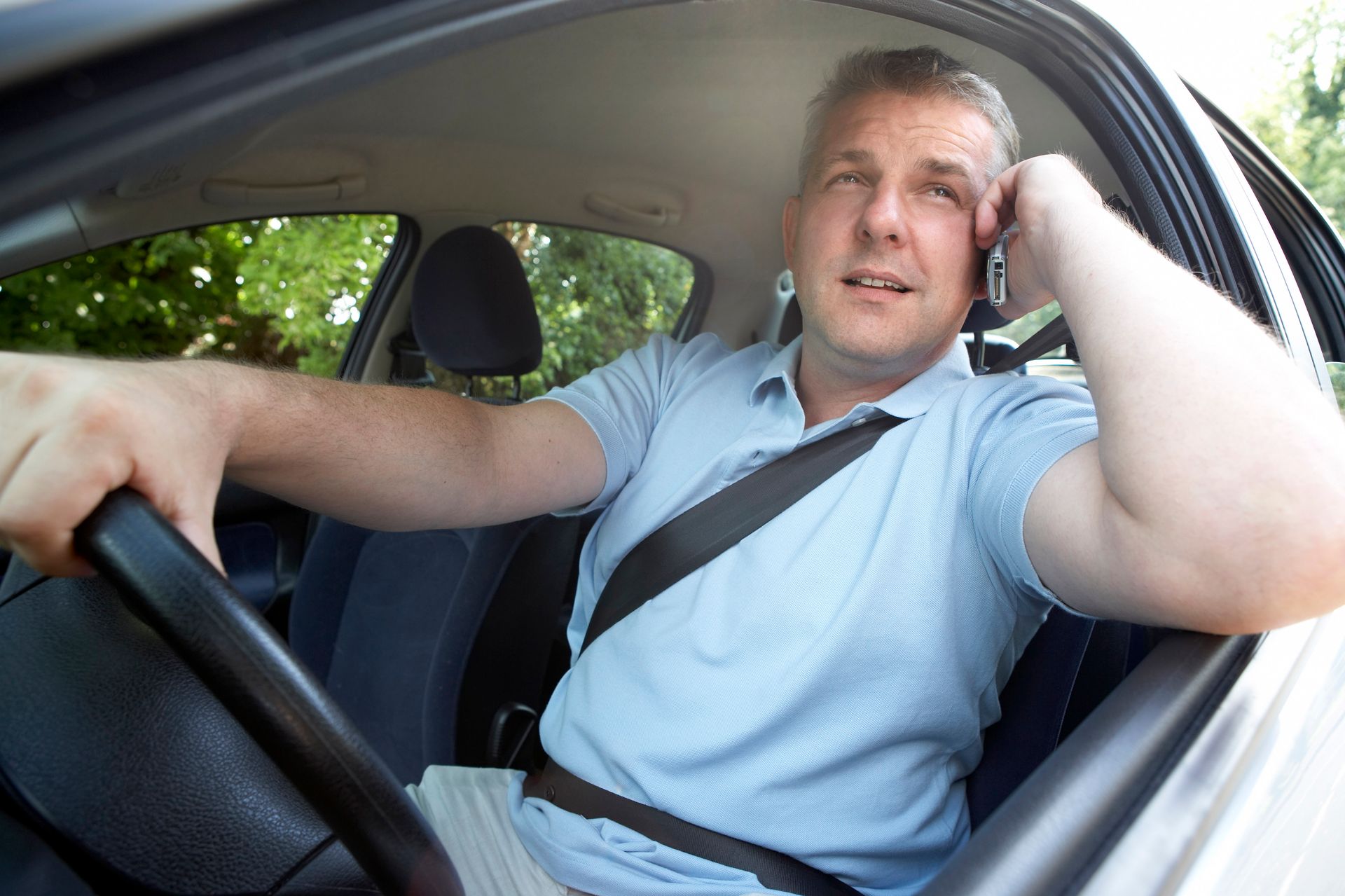
Mobile phones have become essential tools in everyday life, offering instant communication, navigation, and entertainment. However, their convenience comes with serious risks when used behind the wheel. Distracted driving caused by mobile phone use continues to be a leading contributor to traffic accidents, injuries, and fatalities across the United States. As drivers divide their attention between the road and their devices, their awareness, reaction time, and judgment suffer. This creates dangerous conditions not only for drivers but also for passengers, pedestrians, and cyclists. Understanding how mobile phones impact driver awareness is critical for improving road safety, preventing accidents, and protecting legal rights when collisions occur. When accidents happen, many victims turn to the best car accident attorney for guidance, accountability, and compensation. This article explores how mobile phones affect driver awareness, behavior, and safety, while examining solutions that may help reduce this growing threat.


Understanding the Scope of Mobile Phone Use While Driving


Mobile phone use while driving has become alarmingly common. Despite public awareness campaigns and legal restrictions, many drivers continue to text, browse social media, check emails, and interact with navigation apps while behind the wheel. Surveys show that younger drivers are especially prone to frequent phone use, though drivers of all ages admit to engaging in these risky behaviors. The accessibility of smartphones and the constant stream of notifications create a persistent temptation to look away from the road, even for just a moment.


The danger lies in how these brief distractions add up. According to the World Health Organization, drivers who use mobile phones while driving are approximately four times more likely to be involved in a crash than those who remain fully attentive. This single statistic highlights the immense risk associated with distracted driving and underscores the urgency of addressing the problem. When accidents result from distracted driving, injured victims often seek help from the best car accident attorney to navigate complex legal and insurance challenges.


Beyond texting, drivers frequently use phones for GPS navigation, music selection, and voice calls. While some of these functions seem harmless, they still require cognitive attention. Even hands-free conversations can divert mental focus away from traffic conditions, reducing a driver’s ability to respond quickly. As mobile technology continues to evolve, understanding its influence on driver behavior becomes increasingly important for public safety.


Examining the Psychological and Cognitive Effects on Drivers


Mobile phone use significantly impacts cognitive functioning and mental processing while driving. When drivers engage with their devices, their brains must divide attention between two demanding tasks: operating a vehicle and interacting with a phone. This divided focus increases cognitive load, meaning the brain becomes overwhelmed with information, resulting in reduced awareness of surroundings.


One of the most concerning consequences of this cognitive overload is delayed reaction time. Drivers who are texting or reading messages often respond more slowly to sudden hazards such as brake lights, changing traffic signals, or pedestrians stepping into crosswalks. Even a delay of one second can mean the difference between avoiding a collision and causing a serious accident. This impaired responsiveness is a key reason many people seek legal representation from the best car accident attorney following crashes involving distracted driving.


Additionally, mobile phone use disrupts memory and situational awareness. Drivers may forget recent traffic signs, miss lane changes, or overlook important road cues. Over time, habitual phone use behind the wheel reinforces risky behaviors, as drivers begin to underestimate dangers and overestimate their ability to multitask. This flawed risk perception contributes to reckless decisions that compromise safety.


Recognizing the Behavioral and Safety Consequences on the Road


The behavioral effects of mobile phone distractions are evident in increased accident rates and unsafe driving practices. Distracted drivers are more likely to drift between lanes, tailgate other vehicles, fail to yield, and ignore traffic signals. These behaviors introduce unpredictability into traffic flow, heightening the risk of collisions.


In real-world scenarios, countless accidents have been attributed to mobile phone use. From minor fender-benders to catastrophic crashes, these incidents highlight the severe consequences of momentary inattention. Victims often face extensive medical bills, lost income, and emotional trauma. Seeking help from the best car accident attorney becomes crucial in pursuing compensation and accountability.


Mobile phone distractions also pose serious risks to pedestrians and cyclists. Drivers who are absorbed in their screens may fail to notice crosswalks, bike lanes, or school zones, putting vulnerable road users in danger. As urban areas grow and traffic density increases, the importance of attentive driving becomes even more critical for public safety.


Exploring Technological Solutions and Safety Innovations


Advancements in vehicle technology offer promising solutions to combat mobile phone distractions. Modern driver assistance systems, including lane-keeping alerts, adaptive cruise control, and collision warning features, help compensate for lapses in attention. These technologies monitor road conditions and provide real-time feedback, reducing the likelihood of accidents caused by distraction.


Hands-free and voice-control systems allow drivers to perform essential tasks without physically handling their phones. By using voice commands for navigation, calls, or messaging, drivers can maintain better visual focus on the road. However, even hands-free systems require mental engagement, which means they should be used cautiously.


Vehicle manufacturers continue to integrate advanced safety features into new models, reflecting a growing commitment to reducing distracted driving. Still, technology alone cannot eliminate risk. Human awareness and responsibility remain central to preventing accidents. When technology fails and accidents occur, victims often rely on the best car accident attorney to protect their rights and seek justice.


Promoting Public Awareness Through Education and Advocacy


Public awareness campaigns play a vital role in addressing mobile phone distractions. Governments, nonprofit organizations, and community groups work together to educate drivers about the dangers of distracted driving. Through advertising, school programs, and public service announcements, these initiatives aim to change attitudes and encourage safer habits.


Despite these efforts, behavioral change remains challenging. Many drivers still underestimate the risks of mobile phone use behind the wheel. Continuous education, combined with stronger enforcement of traffic laws, is essential to achieving long-term improvements in driver awareness. When awareness efforts fail and accidents occur, seeking assistance from the best car accident attorney becomes a critical step for injured individuals and their families.


Anticipating Future Trends in Driver Awareness and Safety


Looking ahead, the future of driver awareness will likely be shaped by advancements in artificial intelligence, vehicle automation, and smart infrastructure. Emerging technologies may anticipate driver behavior, detect distractions, and intervene before accidents occur. Enhanced connectivity between vehicles and traffic systems could provide real-time updates, improving situational awareness and decision-making.


Legislative reforms may also introduce stricter penalties and improved enforcement methods to deter distracted driving. As public understanding of the risks deepens, societal attitudes toward mobile phone use while driving may shift, promoting a culture of responsibility and accountability.


Together, these trends signal a growing commitment to addressing distracted driving through innovation, policy, and education. Yet, until these solutions fully mature, accidents will continue to happen, making the guidance of the best car accident attorney essential for protecting victims and promoting accountability.


Mobile phone use while driving poses a serious and persistent threat to driver awareness and road safety. From cognitive impairment and delayed reaction times to unsafe driving behaviors and increased accident risk, the consequences are far-reaching. Technological advancements, public education, and legislative reforms offer hope, but meaningful progress requires collective responsibility and sustained effort. By understanding the dangers and committing to distraction-free driving, society can reduce accidents and save lives. If you or a loved one has been injured due to distracted driving, consult the best car accident attorney to protect your rights and pursue fair compensation—contact Woomer & Talarico today to take the first step toward justice.

car accident attorneys
November 17, 2026
Protect your rights and maximize compensation with experienced car accident attorneys offering consultations, insurance negotiation, and trial representation.

November 11, 2026
A car crash can turn an ordinary drive into weeks or months of medical appointments, insurance calls, and financial stress. In the moments after a collision, most people feel shaken and unsure of what to do next, which is when costly mistakes happen. The decisions you make in the days following an accident can shape the outcome of your injury claim. Car accident attorneys see the same missteps again and again, and many of them are easy to avoid when you know what to look for. Below, we share seven practical tips to help you protect your health, your rights, and your ability to recover fair compensation. 1. Seek Medical Care Right Away Your health comes first, even if you feel fine after a collision. Adrenaline can mask pain for hours, and injuries like whiplash, concussions, and internal bleeding don't always cause symptoms right away. A prompt medical evaluation protects your well-being and creates an official record that links your injuries to the crash. Insurance companies often look for gaps in treatment as a reason to reduce or deny a claim. If you wait a week to see a doctor, an adjuster may argue that something else caused your injuries. Car accident attorneys consistently advise clients to visit an emergency room, urgent care center, or primary care provider as soon as possible. Follow every treatment recommendation, attend all follow-up appointments, and keep copies of your medical records. Consistent care shows that you took your injuries seriously and strengthens the connection between the accident and your losses. 2. Document the Accident Scene Thoroughly If you can safely do so, gather as much information as possible before you leave the scene. Take photos of every vehicle involved from several angles, along with skid marks, debris, traffic signals, road conditions, and any visible injuries. Exchange names, phone numbers, insurance details, and license plate numbers with the other driver, and ask witnesses for their contact information. Call the police and request a copy of the accident report once it becomes available. This report often includes the officer's observations about fault, weather conditions, and statements from those involved. Evidence fades quickly. Rain washes away skid marks, body shops repair damaged vehicles, and witnesses forget details. The more you capture in the first hours after a crash, the easier it becomes for car accident attorneys to reconstruct what happened and prove liability. 3. Limit What You Say to Insurance Adjusters Shortly after a crash, you'll likely receive a call from the other driver's insurance company. The adjuster may sound friendly and helpful, but their job is to protect the insurer's bottom line. Anything you say can become a reason to lower the value of your claim. Avoid giving a recorded statement, guessing about details you aren't sure of, or downplaying your injuries with phrases like "I'm okay." Even a simple apology can sound like an admission of fault. Stick to basic facts, such as your name and the date and location of the accident, and let the adjuster know that your legal representative will handle further communication. Car accident attorneys understand the tactics insurers use and can speak on your behalf so you don't accidentally weaken your case. 4. Preserve Evidence of Distracted Driving Distracted driving remains one of the leading causes of collisions on today's roads. According to the World Health Organization (WHO), drivers who use a mobile phone behind the wheel are roughly four times as likely to crash as drivers who don't. Texting, scrolling, and taking calls pull a driver's eyes, hands, and attention away from the road, often for several seconds at a time. If you noticed the other driver looking down at a phone before the crash, tell the responding officer and write down exactly what you saw while it's fresh in your memory. Witnesses may have seen the same thing, and their statements can carry significant weight. Car accident attorneys can also request phone records, review traffic camera footage, and obtain surveillance video from nearby businesses to confirm whether distraction played a role. Proving that the other driver was on their phone can make a substantial difference in establishing fault. 5. Review Your Tort Option and Coverage Pennsylvania drivers choose between limited tort and full tort coverage when they purchase auto insurance, and that choice directly affects your right to recover compensation. Full tort generally allows you to pursue damages for pain and suffering regardless of the severity of your injuries. Limited tort costs less, but it may restrict your ability to recover non-economic damages unless your injuries meet certain thresholds or an exception applies. Pull out your policy and confirm which option you selected. You should also check whether you carry uninsured and underinsured motorist coverage, which can help if the at-fault driver has little or no insurance. Policy language can be confusing, and many people don't realize what their coverage includes until after a crash. Experienced car accident attorneys can review your policy, explain how your tort selection applies, and identify exceptions that may still allow you to pursue full compensation. 6. Track Every Expense and Missed Workday An injury claim depends on clear proof of your losses. Start a folder, either physical or digital, and keep every document related to the accident. Save medical bills, pharmacy receipts, repair estimates, rental car invoices, and mileage logs for trips to appointments. If your injuries keep you from working, ask your employer for written confirmation of the days you missed and the wages you lost. Keep a journal that describes your pain levels, sleep problems, emotional struggles, and activities you can no longer enjoy. These personal notes help show how the accident affected your daily life beyond the financial costs. Thorough records give car accident attorneys the evidence they need to calculate the full value of your claim and push back when an insurer offers less than you deserve. 7. Contact a Legal Team Before Signing Anything Insurance companies sometimes offer a quick settlement, hoping you'll accept before you understand the true extent of your injuries. Once you sign a release, you typically give up the right to seek additional compensation, even if your condition worsens later. A fast check may seem appealing when bills pile up, but it rarely covers long-term medical care, future lost income, or ongoing pain. Before you sign any document or accept any offer, speak with a professional who can evaluate your case. Car accident attorneys can review settlement offers, negotiate with insurers, and take a case to court if the other side refuses to act fairly. Many personal injury firms work on a contingency basis, which means you pay nothing upfront and owe no fee unless they recover compensation for you. Working with professionals allows you to focus on healing while someone else handles the legal details. The steps you take after a crash can protect your health, preserve critical evidence, and strengthen your claim for compensation. By getting medical care quickly, documenting the scene, staying cautious with insurers, and keeping detailed records, you put yourself in a much stronger position. You don't have to face the process alone. If you or a loved one suffered injuries in a collision, our car accident attorneys at Woomer & Talarico are ready to help. We offer free case reviews, emergency and same-day consultations, and 24/7 availability, and you pay no fee unless we secure a recovery for you. Contact us today to discuss your accident and learn how we can fight for the compensation you deserve.
motorcycle accident attorney
November 10, 2026
Learn how a motorcycle accident attorney evaluates road hazard damage, determines liability, and helps injured riders pursue compensation for their losses.

Show More →