

Understanding Wrongful Death Claims After a Crash
November 17, 2026

November 17, 2026

Each year, thousands of families experience the sudden and catastrophic loss of a loved one in motor vehicle collisions, thrusting them into a complicated legal landscape during an already devastating personal crisis. The sudden absence of a family member creates profound emotional trauma, alongside immediate financial strain from emergency medical expenses, funeral obligations, and lost household support. Pursuing a formal civil remedy provides an avenue to establish legal accountability for negligent conduct, secure essential economic recovery, and alleviate substantial fiscal pressures. Navigating statutory frameworks, jurisdictional procedural guidelines, and insurance policies requires considerable diligence, making the guidance of dedicated car accident attorneys indispensable for grieving households seeking meaningful justice.


Civil litigation arising from fatal traffic collisions operates under distinct procedural mechanisms that vary widely across state boundaries, establishing who possesses legal standing to pursue relief and under what specific conditions. Family members must handle these intricate challenges while processing acute psychological grief, which can complicate strategic decision-making options if attempted without professional counsel. Qualified legal advocates step forward to manage every operational component of the case, from initial evidence preservation to structured settlement negotiations or trial presentation.


Defining Legal Liability in Fatal Collision Incidents


The legal foundation of any fatal collision action centers upon establishing civil accountability, which remains entirely separate from any concurrent criminal proceedings initiated by state prosecutors. While a criminal prosecution seeks punitive measures such as incarceration or statutory fines to penalize societal infractions, a civil survival or wrongful death action seeks compensatory remedies for surviving beneficiaries. Furthermore, the standard of proof differs substantially between these legal avenues, requiring a preponderance of the evidence in civil actions rather than proof beyond a reasonable doubt. Understanding these technical distinctions ensures that surviving families recognize how an individual driver might avoid criminal penalties yet still face substantial civil responsibility for reckless behind the wheel conduct. Skilled car accident attorneys examine the specific statutory requirements within the applicable jurisdiction to ensure every available basis for civil liability is aggressively identified.


Establishing formal culpability demands exhaustive investigation into every contributing factor that culminated in the deadly collision, ranging from direct operator misconduct to broader institutional failures. Potentially liable parties may encompass negligent motorists who engaged in reckless maneuvers, commercial trucking enterprises that mandated excessive driving schedules, vehicle manufacturers that distributed defective components, or municipal agencies that maintained hazardous roadway conditions. Building a compelling case requires cross-referencing relevant legal precedents, evaluating jurisdictional negligence doctrines like comparative or contributory fault, and analyzing state statutes that govern damage caps or beneficiary standing.


Investigating Contributing Factors and Proving Serious Negligence


Establishing liability requires proving that a party breached an established duty of care, directly causing the fatal event and resulting in measurable damages. Motorists possess an inherent legal duty to operate vehicles prudently, observe traffic regulations, maintain attentiveness, and adapt to varying weather and highway conditions. When an individual engages in egregious conduct like excessive speeding, driving while impaired, running traffic lights, or operating mobile devices, that vital duty is breached. Seasoned car accident attorneys gather and safeguard vital physical and digital proof before spoliation occurs, ensuring that all aspects of reckless driver behavior are clearly established.


The evidentiary foundation relies heavily upon rapid collection of tangible materials from the incident location, including skid mark measurements, vehicle damage profiles, and electronic control module data. Official police accident reports serve as foundational documents, recording initial officer observations, witness contact records, and citations issued at the scene. Legal teams frequently collaborate with professional accident reconstructionists, forensic engineers, and human factors specialists who perform sophisticated digital modeling to recreate the exact physics of the impact.


Navigating Complex Statutory Timelines and Procedural Filings


Initiating a formal civil action for a fatal motor vehicle incident involves stringent procedural protocols that necessitate absolute precision from the initial case filing through ultimate case resolution. Every jurisdiction enforces strict statutes of limitations that define the exact timeframe within which eligible beneficiaries must formally file legal paperwork. These statutory deadlines typically span between one and three years from the official date of death, with extremely narrow exceptions for tolling under extraordinary circumstances. Missing these mandatory filing deadlines results in the permanent loss of the family's right to pursue fair financial recovery, highlighting why engaging reputable car accident attorneys early remains an imperative step for eligible claimants.


Beyond managing strict limitation periods, navigating the formal litigation roadmap requires meticulous attention to every procedural milestone, beginning with drafting comprehensive complaints and summonses. The subsequent discovery phase requires structured exchanges of written interrogatories, extensive production of internal corporate or maintenance files, and sworn depositions of adverse parties and technical specialists. Seasoned trial lawyers manage these demanding stages, preventing procedural delays, responding to adverse defense motions, and negotiating from an informed posture during pretrial mediation conferences.


Evaluating Financial Losses and Future Economic Hardship


Calculating damages in a fatal vehicle collision requires a thorough appraisal of both clear financial hardships and intangible personal deprivations experienced by surviving dependents. Economic damages encompass tangible financial losses, including pre-death emergency medical interventions, comprehensive funeral and burial expenses, and the direct loss of the decedent's ongoing income, benefits, and retirement pensions. Calculating these monetary losses requires rigorous economic projections that consider the decedent's anticipated career progression, historical wage growth, and overall life expectancy. Diligent car accident attorneys routinely retain certified public accountants and vocational economists to present definitive financial calculations that accurately reflect the true lifetime loss of financial support.


Non-economic damages recognize profound personal hardships that lack a standardized market value, such as the loss of familial companionship, parental guidance, moral training, spousal consortium, and ongoing household care. In situations where an adverse party engaged in conscious disregard for human safety, like extreme intoxication or street racing, courts may also allow the pursuit of punitive damages designed to punish misconduct and deter future vehicular recklessness. Every valuation must account for jurisdictional statutes that limit non-economic recoveries or dictate how settlements are allocated among surviving family members.


Advocating Safer Infrastructure Through Comprehensive Regulatory Action


Fatal motor vehicle collisions regularly illuminate persistent regulatory and structural shortcomings that endanger the traveling public every day. Current road safety measures, such as speed limits and traffic signals, aim to reduce accident risks and enhance commuter safety. Nevertheless, high fatality rates, including the estimated 17,140 motor vehicle deaths projected for the first half of 2025, according to Clio, reveal gaps in existing protocols. Investigations into these measures' effectiveness analyze their compliance, enforceability, and public awareness. When preventable collisions claim innocent lives, knowledgeable car accident attorneys frequently reveal systemic issues, such as dangerous intersection layouts, inadequate highway signage, poorly maintained roadways, or lax corporate oversight regarding commercial transport fleets.


Surviving families frequently turn personal tragedy into powerful advocacy by championing vital legislative updates, stricter traffic enforcement measures, and advanced roadway engineering standards. These grassroots initiatives have historically driven important safety developments, including mandatory seat belt legislation, expanded commercial electronic logging mandates, and zero tolerance alcohol policies. By illuminating corporate and institutional negligence during civil litigation, public actions draw critical attention to safety failures that regulatory bodies might otherwise overlook.


Securing experienced legal counsel is essential for families who face the daunting emotional and financial aftermath of a fatal motor vehicle collision. Insurance carriers routinely attempt to minimize payouts and avoid broad liability, making experienced representation vital to holding negligent motorists and corporations accountable. Dedicated
car accident attorneys manage the extensive burdens of evidence gathering, expert witness coordination, and aggressive trial advocacy, allowing grieving families to navigate their emotional grief without added bureaucratic friction.


Families navigating the sudden loss of a loved one need dedicated, compassionate advocates who possess the trial skills and resources required to achieve full justice. If your family is facing the aftermath of a catastrophic crash, reach out to the dedicated legal advocates at Woomer & Talarico to protect your rights, demand total accountability, and pursue the full compensation your family deserves.

November 11, 2026
A car crash can turn an ordinary drive into weeks or months of medical appointments, insurance calls, and financial stress. In the moments after a collision, most people feel shaken and unsure of what to do next, which is when costly mistakes happen. The decisions you make in the days following an accident can shape the outcome of your injury claim. Car accident attorneys see the same missteps again and again, and many of them are easy to avoid when you know what to look for. Below, we share seven practical tips to help you protect your health, your rights, and your ability to recover fair compensation. 1. Seek Medical Care Right Away Your health comes first, even if you feel fine after a collision. Adrenaline can mask pain for hours, and injuries like whiplash, concussions, and internal bleeding don't always cause symptoms right away. A prompt medical evaluation protects your well-being and creates an official record that links your injuries to the crash. Insurance companies often look for gaps in treatment as a reason to reduce or deny a claim. If you wait a week to see a doctor, an adjuster may argue that something else caused your injuries. Car accident attorneys consistently advise clients to visit an emergency room, urgent care center, or primary care provider as soon as possible. Follow every treatment recommendation, attend all follow-up appointments, and keep copies of your medical records. Consistent care shows that you took your injuries seriously and strengthens the connection between the accident and your losses. 2. Document the Accident Scene Thoroughly If you can safely do so, gather as much information as possible before you leave the scene. Take photos of every vehicle involved from several angles, along with skid marks, debris, traffic signals, road conditions, and any visible injuries. Exchange names, phone numbers, insurance details, and license plate numbers with the other driver, and ask witnesses for their contact information. Call the police and request a copy of the accident report once it becomes available. This report often includes the officer's observations about fault, weather conditions, and statements from those involved. Evidence fades quickly. Rain washes away skid marks, body shops repair damaged vehicles, and witnesses forget details. The more you capture in the first hours after a crash, the easier it becomes for car accident attorneys to reconstruct what happened and prove liability. 3. Limit What You Say to Insurance Adjusters Shortly after a crash, you'll likely receive a call from the other driver's insurance company. The adjuster may sound friendly and helpful, but their job is to protect the insurer's bottom line. Anything you say can become a reason to lower the value of your claim. Avoid giving a recorded statement, guessing about details you aren't sure of, or downplaying your injuries with phrases like "I'm okay." Even a simple apology can sound like an admission of fault. Stick to basic facts, such as your name and the date and location of the accident, and let the adjuster know that your legal representative will handle further communication. Car accident attorneys understand the tactics insurers use and can speak on your behalf so you don't accidentally weaken your case. 4. Preserve Evidence of Distracted Driving Distracted driving remains one of the leading causes of collisions on today's roads. According to the World Health Organization (WHO), drivers who use a mobile phone behind the wheel are roughly four times as likely to crash as drivers who don't. Texting, scrolling, and taking calls pull a driver's eyes, hands, and attention away from the road, often for several seconds at a time. If you noticed the other driver looking down at a phone before the crash, tell the responding officer and write down exactly what you saw while it's fresh in your memory. Witnesses may have seen the same thing, and their statements can carry significant weight. Car accident attorneys can also request phone records, review traffic camera footage, and obtain surveillance video from nearby businesses to confirm whether distraction played a role. Proving that the other driver was on their phone can make a substantial difference in establishing fault. 5. Review Your Tort Option and Coverage Pennsylvania drivers choose between limited tort and full tort coverage when they purchase auto insurance, and that choice directly affects your right to recover compensation. Full tort generally allows you to pursue damages for pain and suffering regardless of the severity of your injuries. Limited tort costs less, but it may restrict your ability to recover non-economic damages unless your injuries meet certain thresholds or an exception applies. Pull out your policy and confirm which option you selected. You should also check whether you carry uninsured and underinsured motorist coverage, which can help if the at-fault driver has little or no insurance. Policy language can be confusing, and many people don't realize what their coverage includes until after a crash. Experienced car accident attorneys can review your policy, explain how your tort selection applies, and identify exceptions that may still allow you to pursue full compensation. 6. Track Every Expense and Missed Workday An injury claim depends on clear proof of your losses. Start a folder, either physical or digital, and keep every document related to the accident. Save medical bills, pharmacy receipts, repair estimates, rental car invoices, and mileage logs for trips to appointments. If your injuries keep you from working, ask your employer for written confirmation of the days you missed and the wages you lost. Keep a journal that describes your pain levels, sleep problems, emotional struggles, and activities you can no longer enjoy. These personal notes help show how the accident affected your daily life beyond the financial costs. Thorough records give car accident attorneys the evidence they need to calculate the full value of your claim and push back when an insurer offers less than you deserve. 7. Contact a Legal Team Before Signing Anything Insurance companies sometimes offer a quick settlement, hoping you'll accept before you understand the true extent of your injuries. Once you sign a release, you typically give up the right to seek additional compensation, even if your condition worsens later. A fast check may seem appealing when bills pile up, but it rarely covers long-term medical care, future lost income, or ongoing pain. Before you sign any document or accept any offer, speak with a professional who can evaluate your case. Car accident attorneys can review settlement offers, negotiate with insurers, and take a case to court if the other side refuses to act fairly. Many personal injury firms work on a contingency basis, which means you pay nothing upfront and owe no fee unless they recover compensation for you. Working with professionals allows you to focus on healing while someone else handles the legal details. The steps you take after a crash can protect your health, preserve critical evidence, and strengthen your claim for compensation. By getting medical care quickly, documenting the scene, staying cautious with insurers, and keeping detailed records, you put yourself in a much stronger position. You don't have to face the process alone. If you or a loved one suffered injuries in a collision, our car accident attorneys at Woomer & Talarico are ready to help. We offer free case reviews, emergency and same-day consultations, and 24/7 availability, and you pay no fee unless we secure a recovery for you. Contact us today to discuss your accident and learn how we can fight for the compensation you deserve.
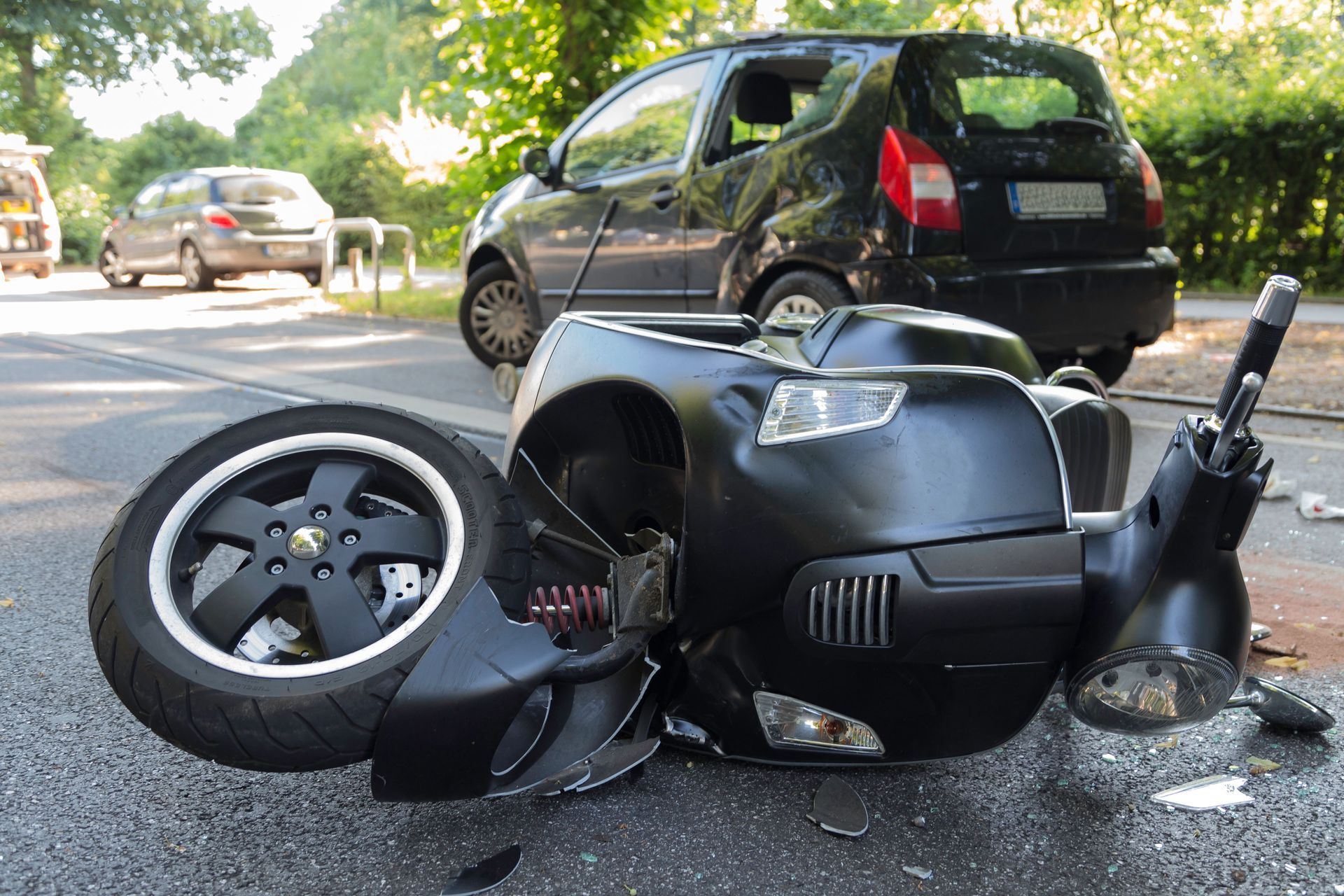
motorcycle accident attorney
November 10, 2026
Learn how a motorcycle accident attorney evaluates road hazard damage, determines liability, and helps injured riders pursue compensation for their losses.
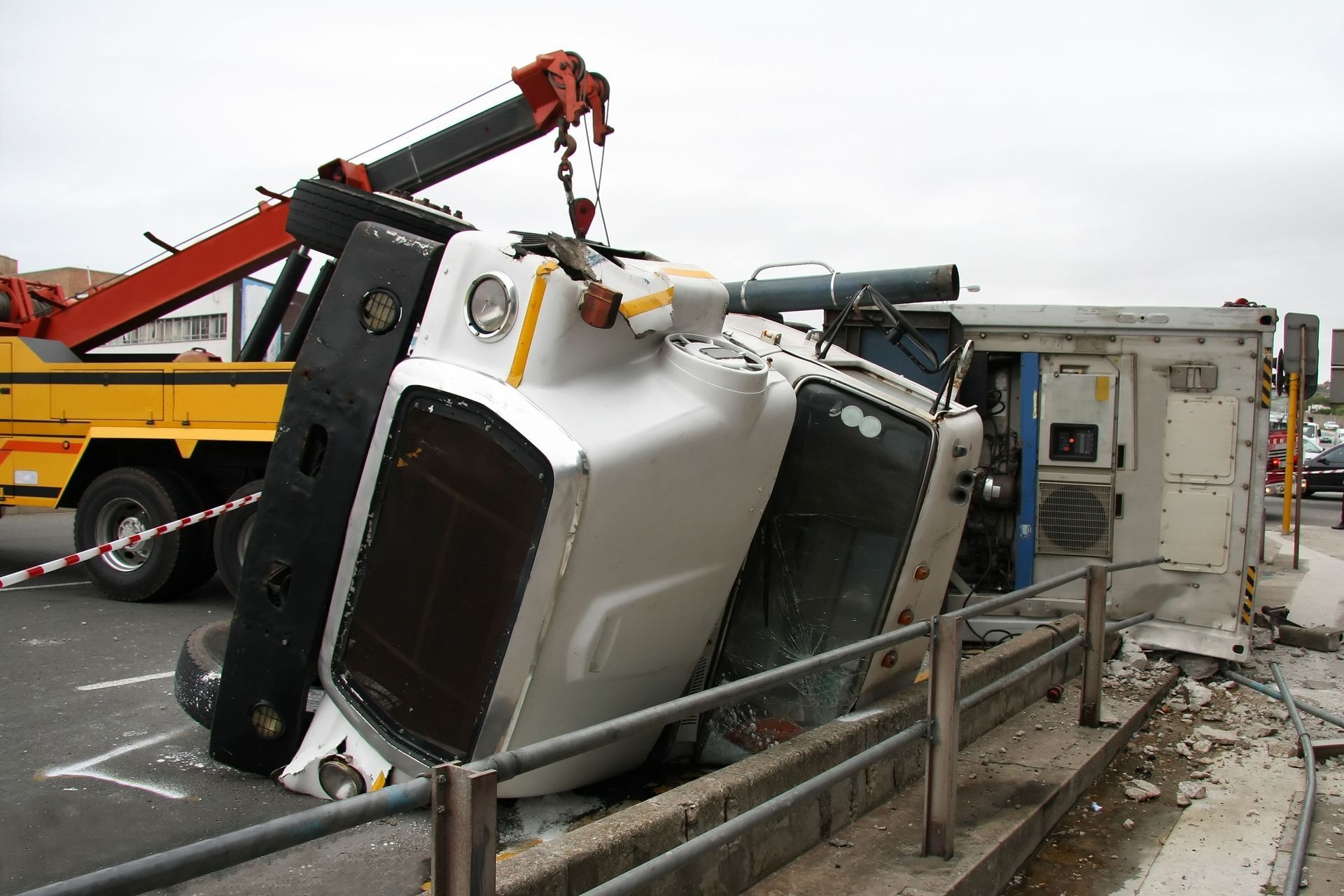
truck accident attorney
November 7, 2026
Learn how a truck accident attorney investigates driver fatigue, gathers critical evidence, and establishes liability to help victims pursue compensation.

Show More →