November 10, 2026
Road hazards can create dangerous conditions for motorcyclists, who have less protection than occupants of passenger vehicles. Potholes, loose gravel, uneven pavement, and debris can cause riders to lose control, resulting in serious injuries and extensive property damage. A motorcycle accident attorney evaluates the circumstances of a crash to determine how a road hazard contributed to the incident and whether another party may be legally responsible. Understanding this process helps injured riders recognize the importance of documenting the scene and preserving evidence.
Identifying the Road Hazard Conditions
The first step in evaluating a motorcycle accident involving a road hazard is identifying the condition that contributed to the crash. Unlike a collision caused by another driver's actions, a road hazard accident may involve roadway defects, poor maintenance, construction debris, or dangerous conditions that were not adequately addressed.
A motorcycle accident attorney examines the type of hazard involved and considers how it affected the rider's ability to maintain control. Common road hazards include:
- Potholes, cracks, and uneven pavement can destabilize a motorcycle.
- Loose gravel, sand, or debris that reduces tire traction.
- Standing water, oil, or other slippery substances that increase the risk of skidding.
- Missing warning signs, inadequate lighting, or poorly marked construction zones.
- Damaged pavement edges and sudden changes in road elevation.
The location, size, and visibility of a hazard can influence how dangerous it is to approaching riders. Weather conditions, traffic patterns, and the road's overall condition may also affect the circumstances of the crash. Identifying these details helps establish what caused the rider to lose control and whether the hazard could reasonably have been prevented or addressed.
Examining Photographs and Physical Evidence
Physical evidence provides an important foundation for understanding how a road hazard contributed to a motorcycle accident. Photographs taken at the scene can document the hazard's appearance, surrounding conditions, and relationship to the location where the motorcycle came to rest.
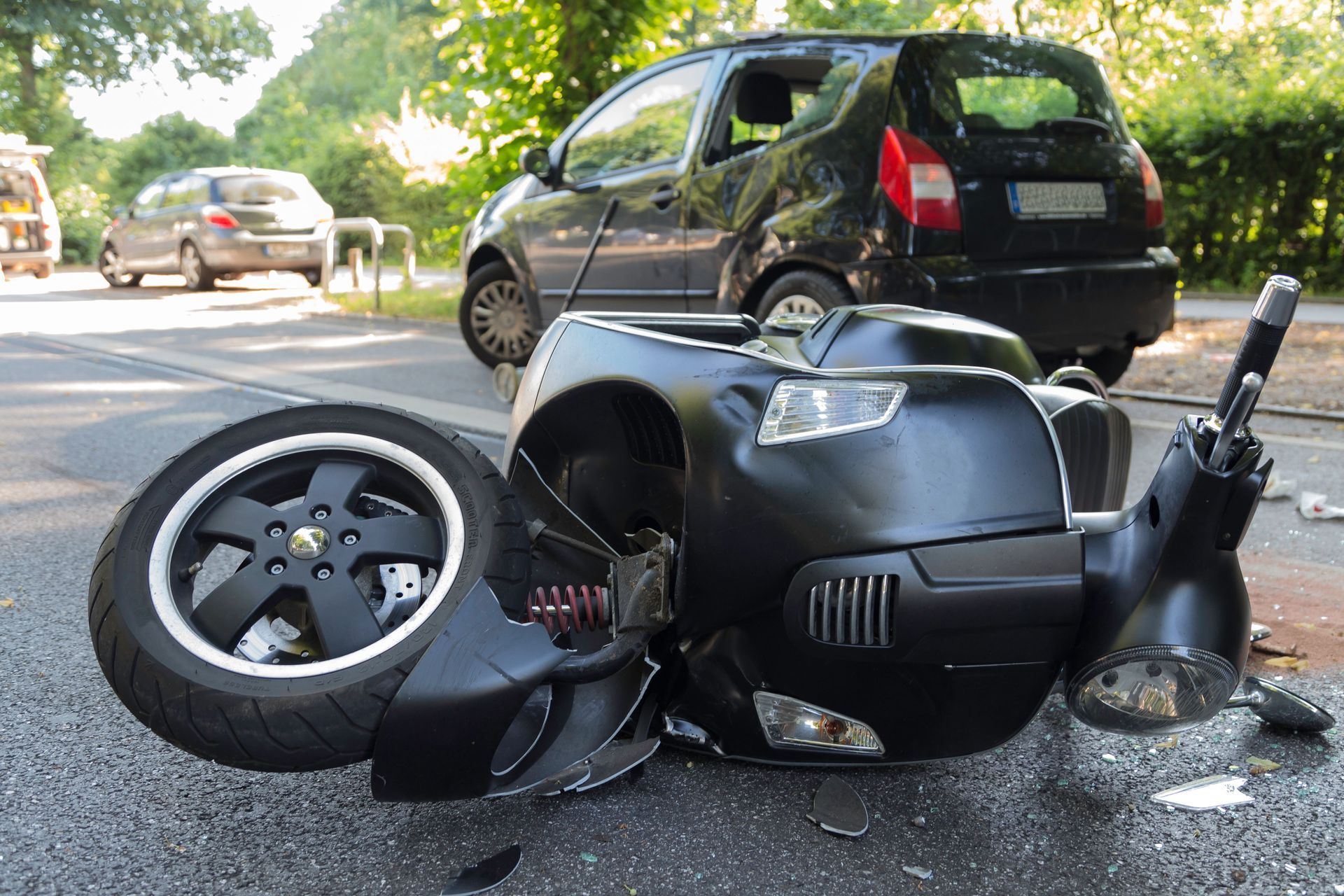
A motorcycle accident attorney may review photographs, videos, police reports, and available surveillance footage to reconstruct the incident. Images of potholes, damaged pavement, loose materials, and missing warning signs can help establish the roadway's condition at the time of the crash. Photographs of the motorcycle may also reveal damage patterns consistent with an impact, skid, or loss of control.
Other evidence may include tire marks, debris, broken motorcycle components, and measurements of the road defect. These details can help accident reconstruction professionals evaluate the rider's path, the point of impact, and the events leading up to the crash.
Because road conditions can change quickly, preserving evidence as soon as possible is important. Crews may repair a pothole, remove debris, or alter a construction area before an injured rider can return to document it. Prompt documentation can help preserve information that might otherwise become difficult to obtain.
Reviewing Medical Records and Motorcycle Damage
The severity and pattern of a rider's injuries can help explain how a road hazard affected the crash. Medical records document the injuries sustained, the treatment required, and the potential long-term effects. A motorcycle accident attorney reviews these materials alongside the available evidence of the accident to understand the physical consequences of the incident.
Medical documentation may include emergency department records, diagnostic imaging, specialist evaluations, rehabilitation plans, and follow-up treatment notes. These records can help establish whether the rider suffered fractures, head injuries, spinal injuries, road rash, or other trauma associated with the crash.
Motorcycle damage also provides useful information. A mechanic or qualified expert may examine the wheels, tires, suspension, frame, and other components to determine whether the damage is consistent with striking a pothole, sliding on loose gravel, or hitting roadway debris. Repair estimates and replacement costs can help quantify property losses.
Neither medical findings nor motorcycle damage automatically proves that a road hazard caused the accident. However, comparing these details with photographs, witness accounts, and roadway measurements can help create a clearer explanation of how the incident occurred.
Investigating Maintenance and Construction Records
Road hazards may result from inadequate maintenance, poorly managed construction work, or a failure to address known safety concerns. Determining who was responsible for the roadway and whether the hazard was handled appropriately is an important part of evaluating potential liability.
A motorcycle accident attorney may investigate records maintained by the government agency, contractor, or other entity responsible for the affected road. Relevant documentation may include inspection reports, maintenance schedules, repair requests, construction plans, and records of previous complaints about the same location.
These records can help establish whether the responsible party knew or should have known about the dangerous condition. For example, repeated reports of a deteriorating road surface may suggest that a defect existed long enough to warrant attention. Construction records may also reveal whether appropriate barriers, warning signs, or temporary traffic controls were provided.
Claims involving public roads can present additional legal requirements, including special notice procedures and deadlines. Responsibility depends on the facts of the case, the applicable laws, and the duties of the parties involved. Investigating these issues helps determine whether a government entity, private contractor, property owner, or another party may be accountable.
Evaluating Witness Statements and Expert Findings
Witness accounts can help clarify what happened immediately before, during, and after a motorcycle accident. Other motorists, passengers, nearby residents, construction workers, and pedestrians may have observed the hazard or witnessed the rider's loss of control.
A motorcycle accident attorney compares witness statements with photographs, police reports, and physical evidence to identify consistent details and resolve conflicting accounts. Witnesses may explain whether the hazard was visible, whether warning signs were present, or whether other vehicles had difficulty navigating the same area.
When necessary, qualified experts can provide additional analysis. Accident reconstruction specialists may evaluate vehicle movements and impact patterns, while roadway or engineering professionals may assess pavement conditions, drainage, visibility, and maintenance concerns. Their findings can help explain whether the road presented an unreasonable danger under the circumstances.
According to the U.S. Bureau of Labor Statistics, approximately 754,500 lawyers were employed in May 2025, representing clients and handling matters across personal injury, accident, and other civil legal areas. Evaluating a road hazard claim requires examining the specific evidence and applicable legal standards, rather than relying on general assumptions about how the crash occurred.
Determining Liability and Documenting Financial Losses
Establishing that a road hazard contributed to a crash does not automatically mean that another party is legally responsible. A motorcycle accident attorney must evaluate the evidence of negligence, identify the parties with relevant duties, and consider whether the injured rider's actions affected the outcome.
Depending on the circumstances, responsibility may rest with a public agency, a road maintenance contractor, a construction company, or another party. In some cases, multiple factors contribute to a collision. Applicable comparative negligence rules may affect whether an injured rider can recover compensation and how an award is calculated.
The attorney also documents the financial and personal effects of the accident. Potential losses may include:
- Medical expenses and anticipated future treatment costs.
- Lost wages and reduced future earning capacity.
- Motorcycle repair or replacement expenses.
- Rehabilitation costs and other accident-related outlays.
- Pain, suffering, and limitations on everyday activities are recoverable under applicable law.
Receipts, medical bills, employment records, repair estimates, and other supporting documents help demonstrate the extent of these losses. Organizing this evidence alongside proof of the road hazard can help establish the basis and potential value of a claim.
Taking Action After a Road Hazard Accident
Road-hazard accidents can raise complex questions about roadway conditions, maintenance responsibilities, and the cause of a motorcyclist's injuries. Injured riders can protect important evidence by seeking medical attention, photographing the scene when safe, obtaining information from available witnesses, and retaining relevant records. They should also avoid inspecting a dangerous roadway while exposed to traffic.
Because road conditions can change quickly, a timely investigation can make a meaningful difference. A motorcycle accident attorney can review the available evidence, identify potentially responsible parties, and explain the legal options that may apply to the rider's circumstances.
If a road hazard caused your motorcycle accident, contact Woomer & Talarico to discuss your situation and learn about your options for pursuing compensation.